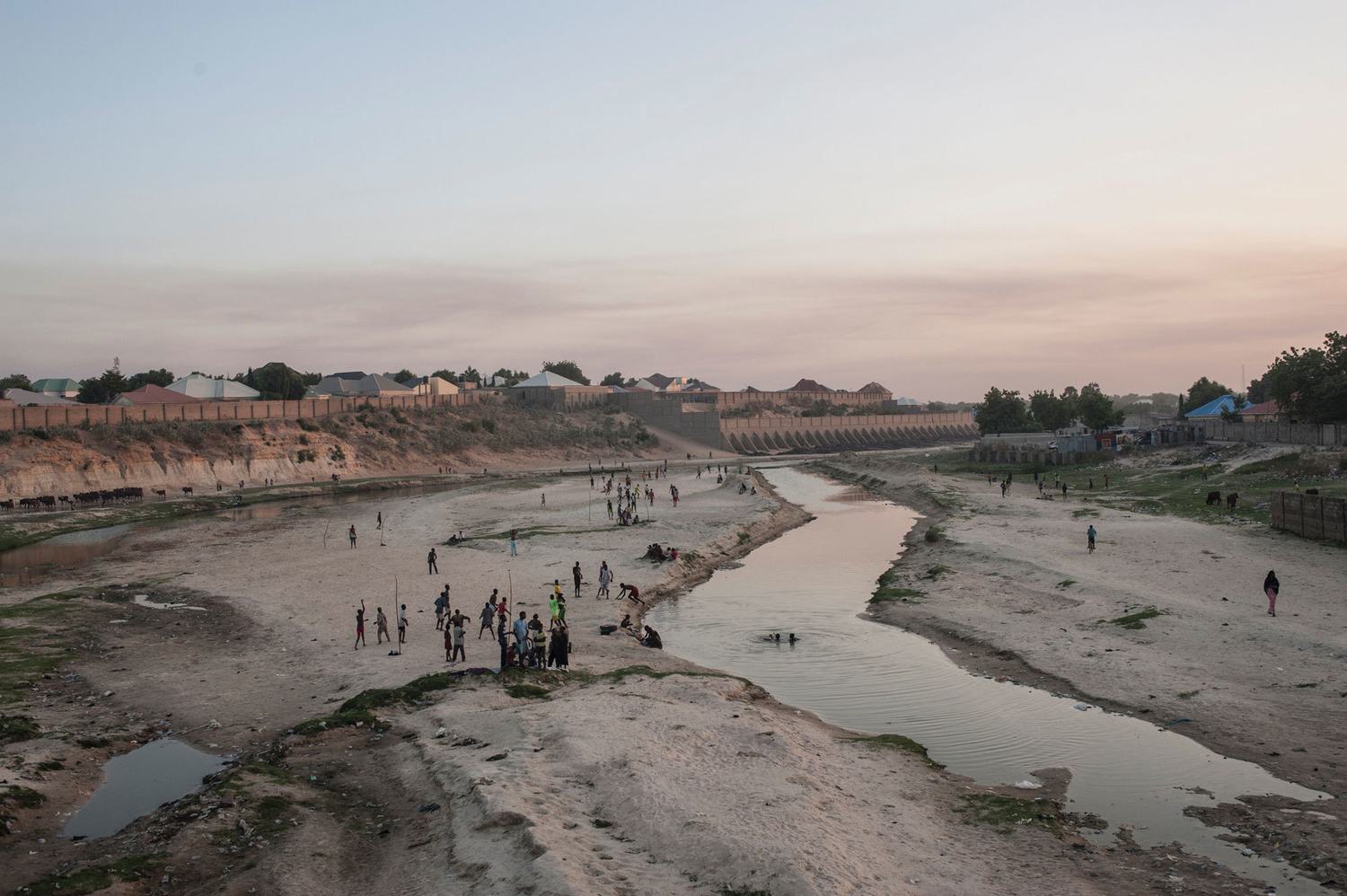
The African Sahel, a transitional region between the Sahara Desert to the north and the Sudanian savanna to the south, stretches across the continent from Senegal in the west to Chad and Sudan in the east. Despite its rich history and cultural diversity, the Sahel has become synonymous with instability and recurrent conflict. Understanding the underlying reasons for this challenging environment requires a deep dive into historical, socioeconomic, environmental, and political dynamics unique to the region.
Background and Effects of Colonialism
Previous systems of rule, starting with pre-colonial empires such as the Mali and Songhai, shaped the intricate ethnic and cultural configuration of the area. The division of Africa by European countries during the late nineteenth and early twentieth centuries ignored existing social and ethnic divisions, establishing artificial boundaries that remain today. Consequently, various ethnic groups were split by new national borders—Tuaregs, Fulani, Hausa, among others, suddenly became citizens of different nations. This arbitrary division has led to enduring discontent, disputed identities, and a basis of distrust between communities and the states that emerged after independence in the Sahel.
The legacy of colonialism also led to the creation of centralized governance systems that were often unresponsive. Numerous states in the Sahel inherited patrimonial frameworks centering on urban elites while ignoring peripheral and rural areas. This disproportionate allocation of power has fostered a feeling of marginalization among rural communities, paving the way for resistance and occasionally violent uprisings.
Socioeconomic Pressures and Underdevelopment
Levels of poverty in the Sahel region are persistently some of the highest worldwide. The United Nations Development Programme reports that nations such as Niger, Mali, and Burkina Faso are found in the bottom portions of the Human Development Index. A combination of extensive joblessness, inadequate access to good education, insufficient healthcare services, and food scarcity contributes to issues of vulnerability and societal instability.
A study in the Lake Chad Basin illustrates how an economic downturn can fuel conflict. In the past, Lake Chad was a vital resource for millions, offering fishing, farming, and commerce opportunities. However, as a result of climate change and excessive exploitation, the lake’s size has decreased by over 90% in the past six decades. With the loss of livelihoods, local populations encountered heightened rivalry for dwindling resources, which spurred community conflicts and created a conducive environment for extremist groups to recruit.
These socioeconomic tensions intersect with demographic trends: the Sahel has one of the world’s fastest-growing populations, placing further stress on already-scarce resources and state capacity. Rapid urbanization and youth bulges—the median age in Niger is under 16—mean that millions of young people face bleak prospects, heightening the risk of radicalization or participation in illicit economies.
Environmental Challenges and Climate Change
The Sahel is acutely vulnerable to climate change. The region’s environment is characterized by fragile soils and highly variable rainfall. Droughts and irregular weather patterns are becoming more common and severe. Pastoralists, such as the Fulani, whose livelihoods depend on seasonal movement of livestock, are forced to travel farther in search of water and pasture. This leads to increased tensions with sedentary farmers, as traditional grazing routes overlap with farmlands. These farmer-herder conflicts are a recurrent source of violence, often exacerbated during periods of scarcity.
Climate change amplifies the effects of underlying governance and economic challenges, turning manageable tensions into potential flashpoints. The United Nations Environment Programme has identified the Sahel as one of the “climate change hotspots,” where the intersection of environmental and social vulnerability is especially pronounced.
Weak State Institutions and Governance Deficits
States in the Sahel frequently lack the capacity to provide basic services, enforce the rule of law, or maintain a monopoly on the legitimate use of force. Remote areas are often left with little presence of central authority, allowing ungoverned spaces to proliferate. This institutional vacuum is readily filled by non-state actors, including armed militias, self-defense groups, criminal syndicates, and insurgent movements.
Governance deficits contribute to a pervasive sense of exclusion, particularly among ethnic minorities and rural populations. Disputes over land tenure, resource allocation, and political representation often go unresolved through official channels, leading aggrieved groups to take matters into their own hands. Corruption and nepotism further undermine trust in public institutions, complicating efforts at state-building and conflict resolution. Additionally, insurgent groups often position themselves as providers of order and justice in areas where state presence is minimal, complicating efforts to restore government authority.
The Spread of Armed Groups and Violent Extremism
The unrest in the Sahel has provided a fertile ground for numerous armed factions to thrive, some driven by local issues, others by international jihadist motives. Organizations like Jama’at Nasr al-Islam wal Muslimin (JNIM), Islamic State in the Greater Sahara (ISGS), and Boko Haram function with diverse objectives and degrees of collaboration. Many exploit local discontent, draw in disenfranchised young individuals, and fund their activities through the smuggling of drugs, arms, and humans.
The collaboration between regional conflict participants and international terrorist organizations is especially evident in the tri-border region of Mali, Niger, and Burkina Faso. In this area, factions take advantage of ethnic tensions and governmental vulnerabilities to establish a foothold. This leads to a scenario where violence is both strongly localized—stemming from confrontations over livestock or territory—and linked to worldwide jihadist ideologies.
International military interventions, such as the French-led Operation Barkhane and the United Nations Multidimensional Integrated Stabilization Mission in Mali (MINUSMA), have had mixed results. While some successes have been recorded, these interventions are often criticized for failing to address root causes, focusing narrowly on counterterrorism and security at the expense of political, economic, and social dimensions.
International Interactions and Localized Instability
Porous borders are a characteristic element of the Sahel region. Individuals, merchandise, and militant factions traverse with relative freedom through lightly regulated boundaries. This movement across borders implies that unrest in one nation can swiftly extend: a coup in Mali, for instance, might encourage insurgents in adjacent Burkina Faso or Niger.
The links between domestic conflicts have resulted in ripple effects. For example, the 2011 fall of the Libyan government released an influx of arms and displaced combatants into the Sahel, intensifying current disputes and empowering armed groups. Intricate regional dynamics require collaborative solutions, but geopolitical competitions and varied priorities among nations frequently obstruct successful cooperation.
External Actors and International Interests
External parties also influence the conflict terrain in the Sahel. France, previously a colonial ruler, keeps substantial military forces and spearheads antiterrorism missions, driven by safety issues and the safeguarding of economic stakes. The European Union, United States, Russia, and other states have supported different stabilization, development, and security efforts. Although global backing is essential, differing viewpoints and objectives occasionally weaken local leadership and the enduring viability of peace initiatives.
Humanitarian agencies face immense challenges delivering aid in conflict zones. Access is frequently hindered by insecurity and bureaucratic obstacles, leaving vulnerable populations at heightened risk.
Understanding Complexity
Conflicts in the African Sahel are shaped by an intricate blend of historical legacies, social and ethnic divides, economic despair, environmental fragility, and state fragility, all amplified by regional and international dynamics. Solutions that focus solely on security measures or technical development assistance are insufficient without attention to the layers of grievances, identities, and hopes that thread through Sahelian life. Only through recognizing and responding to the full spectrum of these factors can pathways towards stability and renewed opportunity be envisioned for the peoples of the Sahel.