

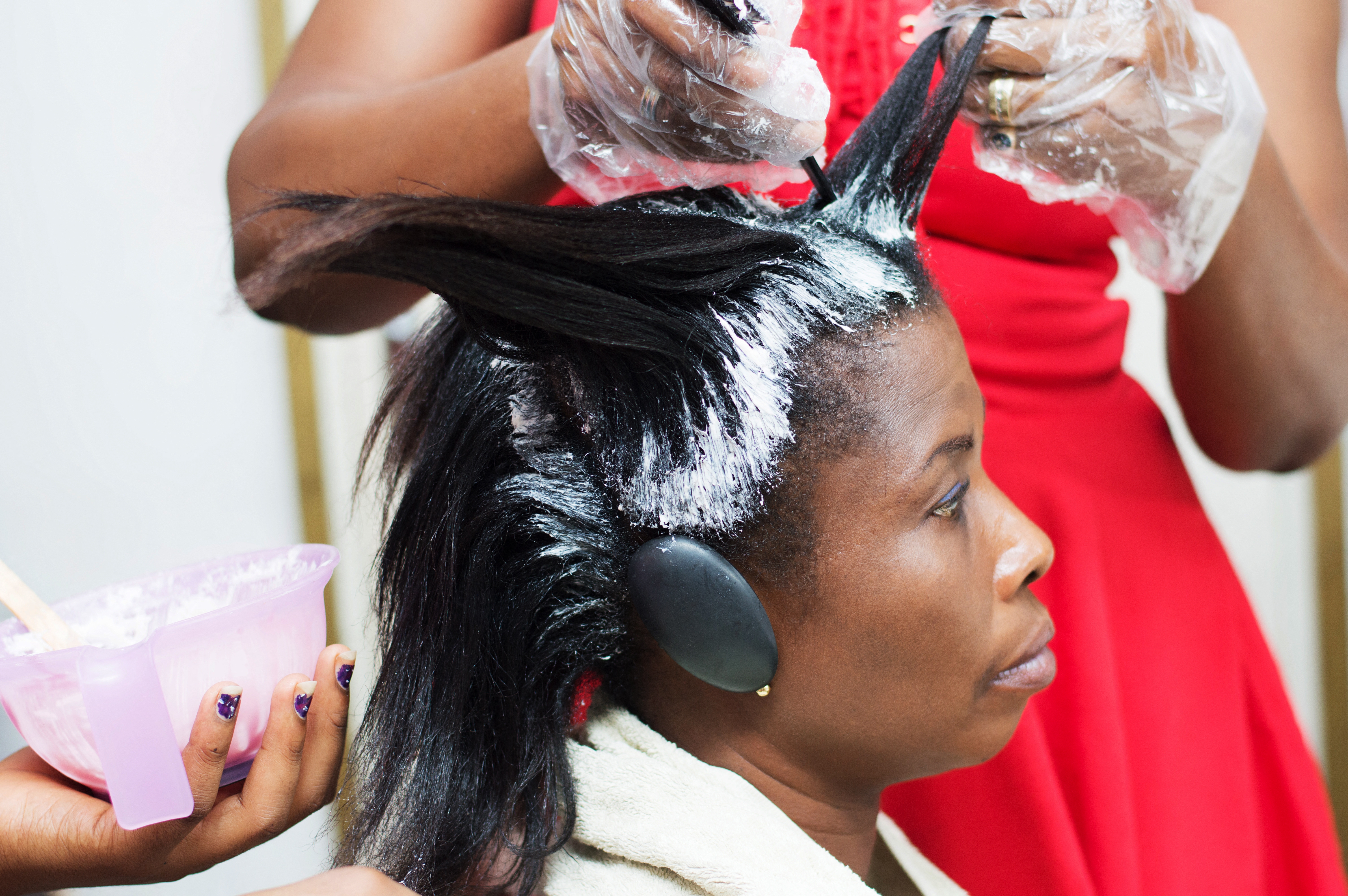
Over the last few months, there has been a growing focus on specific hair care items frequently advertised to Black women, especially those with ingredients that may cause cancer. National legislators have started to formally tackle these issues, highlighting the possible health inequities caused by insufficient oversight in the personal care sector.
Este impulso surge como respuesta a la creciente evidencia científica y la creciente preocupación pública. Las investigaciones han indicado que muchos alisadores, cremas para alisar y otros productos de uso común pueden contener sustancias químicas que alteran el sistema endocrino o carcinógenos. La preocupación es especialmente relevante dado el uso desproporcionado de estos productos por mujeres negras, quienes a menudo son el objetivo de campañas de marketing que promueven estándares de belleza asociados con el cabello lacio.
Several members of Congress are now advocating for regulatory reforms and demanding further investigation into the health risks associated with prolonged use of certain hair care formulations. Their goal is twofold: to hold companies accountable for the safety of their ingredients and to better protect communities that are more likely to be exposed due to targeted advertising and long-standing beauty norms.
Imbalanced visibility and new information
Recent scientific studies have linked frequent use of chemical hair straighteners to an increased risk of hormone-related cancers, including uterine and breast cancer. While these associations are still under investigation, the research has raised enough alarm to prompt both medical professionals and legislators to call for immediate attention.
One study published by the National Institutes of Health (NIH) found that women who reported regular use of chemical straighteners were more than twice as likely to develop uterine cancer compared to those who did not. Importantly, the researchers noted that Black women are more likely to use such products from a younger age and with greater frequency, compounding their risk.
Although there is an increasing amount of research, numerous products continue to be available for purchase, frequently featuring labels that fail to clearly disclose important details about their chemical composition. Components like formaldehyde, parabens, phthalates, and other potentially harmful elements are present in a range of hair care products, from treatments for straightening to leave-in conditioners and styling gels.
Legislative measures are gaining momentum
In reaction, a coalition of legislators—headed by individuals from the Congressional Black Caucus and health proponents—has put forth new proposed laws targeting the regulation of components in personal care items. A suggested act advocates for enhanced clarity in labeling, obligatory safety assessments of ingredients, and strengthened supervision by the Food and Drug Administration (FDA).
A coalition of public health organizations and environmental defenders is backing these legislative measures, contending that the present regulatory structure is old-fashioned and does not consider the racial and ethnic differences in product use and exposure.
Moreover, the FDA has initiated an examination of its existing regulations concerning cosmetics and personal care items, influenced partially by advocacy groups and research outcomes. Historically, the FDA has had restricted jurisdiction over cosmetics, unlike its control over food and drugs, but new legislation has provided the agency with increased power to address safety issues in the beauty sector.
Cultural standards and the politics of attractiveness
The push for reform is not just a matter of public health—it also intersects with broader discussions about race, identity, and the politics of appearance. For decades, Eurocentric beauty standards have influenced the marketing of hair care products, leading many Black women to adopt potentially harmful styling routines in pursuit of social or professional acceptance.
Legislators and supporters contend that these promotional tactics have caused a widespread problem whereby Black women encounter greater exposure to harmful substances merely due to societal expectations to comply. They stress the importance of educational initiatives and local outreach efforts to inform about safer options and to question the beauty standards that perpetuate the demand for hazardous products.
Efforts to support Black-owned brands that prioritize non-toxic, natural ingredients are also gaining momentum. Many of these brands are built on a foundation of promoting healthy hair and embracing natural textures, offering products free from the harmful substances found in many mainstream options.
Industry response and future implications
Some beauty brands and manufacturers have already begun responding to the public outcry by reformulating products, improving labeling, and eliminating controversial ingredients. However, progress remains uneven, and critics argue that voluntary measures are not enough to ensure safety and equity across the industry.
Advocates insist that real change will require comprehensive regulatory updates, stricter enforcement of ingredient standards, and funding for further research into the long-term health effects of personal care product use.
For consumers, the emerging conversation presents both a challenge and an opportunity—to reevaluate what is applied to the body, to question long-held assumptions about beauty, and to support companies that prioritize health over profit.
As federal lawmakers continue to explore legislative solutions, it’s clear that the intersection of race, health, and consumer safety will remain at the center of the national conversation. The decisions made in the coming months could redefine not only how hair products are made and marketed, but also how public health is protected for generations to come.


