The war in Gaza signifies more than a local conflict; its repercussions extend across the Middle East, influencing political alliances, economic strategies, security paradigms, and social dynamics throughout the region. In assessing the impact of the war in Gaza on Middle East stability, it is essential to consider multifaceted dimensions, each interwoven with historical grievances, contemporary power plays, and the evolving interests of regional and global actors.
Regional Political Impact
The Gaza war has led to a reassessment of diplomatic ties, both among Arab nations and between the Middle East and global powers. Traditionally, the Palestinian issue was a unifying cause for Arab countries. Nevertheless, in recent times, normalization pacts—like the Abraham Accords involving Israel, the United Arab Emirates, Bahrain, Morocco, and Sudan—seemed to divert focus from Palestine. The intensified conflict in Gaza challenged the resilience of these recently formed alliances.
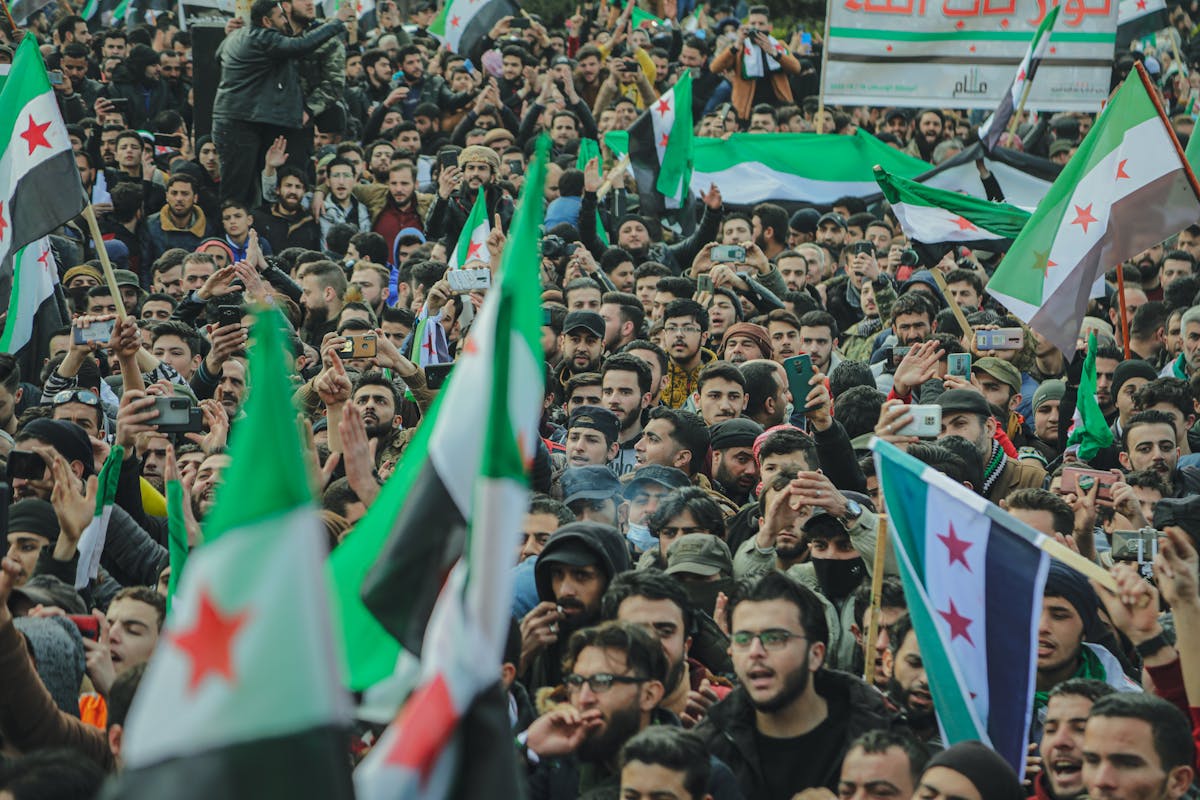
For instance, public outrage in countries like Jordan, Egypt, and Morocco placed significant pressure on governments to adopt a firmer stance against Israel or to reconsider the nature and scope of existing treaties. High-level diplomatic visits, emergency Arab League sessions, and repeated calls for ceasefire demonstrate the ongoing tension between state-level pragmatism and grassroots activism.
Empowerment of Non-State Actors
The war has also emboldened non-state groups, such as Hezbollah in Lebanon and Houthi rebels in Yemen. These groups draw ideological and logistical connections to Palestinian factions, sometimes precipitating cross-border confrontations or missile attacks. The potential for escalation into a broader regional conflict increases as these actors leverage the Gaza crisis to further their own agendas.
Security Implications: Dangers of Intensification
Gaza’s war frequently acts as a catalyst for violence across borders. Missiles launched from southern Lebanon, drone attacks from Yemen, and border clashes in the occupied Golan Heights testify to the porous nature of regional security. Major powers like Iran play a pivotal role, providing support to Palestinian groups as well as to associated proxies in neighboring countries.
This intricate web of alignments raises the risk that local skirmishes could escalate into direct confrontations between states, particularly if Israeli actions provoke retaliatory attacks or if Iranian interests come under threat. For example, US troop deployments and naval maneuvers in the Eastern Mediterranean serve both to deter escalation and protect strategic interests, highlighting the conflict’s potential to draw in external actors.
The conflict in Gaza has also impacted the domestic security landscape of nations with substantial Palestinian communities, particularly Jordan and Lebanon. Extensive demonstrations occasionally escalate into civil disturbances, revealing cracks in social unity and testing the ability of governments to preserve peace. Worries about security may lead to the implementation of curfews, closing of borders, and intensified counterterrorism efforts, all contributing to increased regional instability.
Socio-Economic Repercussions and Humanitarian Demands
The humanitarian fallout from the Gaza conflict is stark, with thousands of casualties, widespread destruction, and mass displacement. Neighboring countries already burdened with waves of refugees from Syria, Iraq, and elsewhere face additional pressures as Gazans seek refuge or as cross-border aid efforts intensify. International agencies, such as the United Nations Relief and Works Agency (UNRWA), report severe strains on resources and logistics, prompting appeals for increased global support.
These humanitarian pressures can destabilize fragile host communities, increase competition for jobs and housing, and exacerbate xenophobia or resource-driven tensions within border regions.
The conflict in Gaza impacts the wider regional economy through the disruption of trade pathways, discouraging foreign direct investment, and increasing risk premiums. The Eastern Mediterranean’s sea lanes, which are crucial for transporting goods, energy, and raw materials, are subject to interdiction threats and delays because of increased naval operations. The tourism sector, already vulnerable in numerous Middle Eastern countries, experiences further stagnation.
Furthermore, energy markets show a strong reaction to the possibility of wider conflict, as crude oil prices surge due to perceived dangers to shipping routes in the Gulf or pipeline networks. Nations that rely on remittances from abroad and imported goods need to adjust to volatile markets, a situation that can worsen internal economic complaints and political unrest.
Ideological Polarization and Information Warfare
The Gaza war is not just fought on battlefields; its narratives are waged online and in media outlets, deepening ideological divides both within and between Middle Eastern societies. Competing accounts of the conflict, unverified footage, and propagandistic messaging fuel radicalization, impede reconciliation, and influence domestic politics. Governments grapple with balancing information control, free expression, and national security concerns, particularly as public sentiment shapes political discourse.
The Wider Strategic Equilibrium
As the Gaza conflict progresses, it challenges the durability of current peace accords, reveals the vulnerability of normalization efforts, and forces regional players to continuously re-evaluate their security stances and partnerships. A state of tension remains between the desire for stability and the influence of historical, religious, and national stories. Consequently, the turmoil caused by the war in Gaza extends far beyond its immediate borders, confirming the lasting interdependence of the Middle East and highlighting the intricate relationship between localized aggression and broader strategic structures.
This assessment indicates that the path of the Gaza conflict, along with the reactions from both regional and international players, will persistently influence the speed and nature of Middle Eastern stability over the coming years.