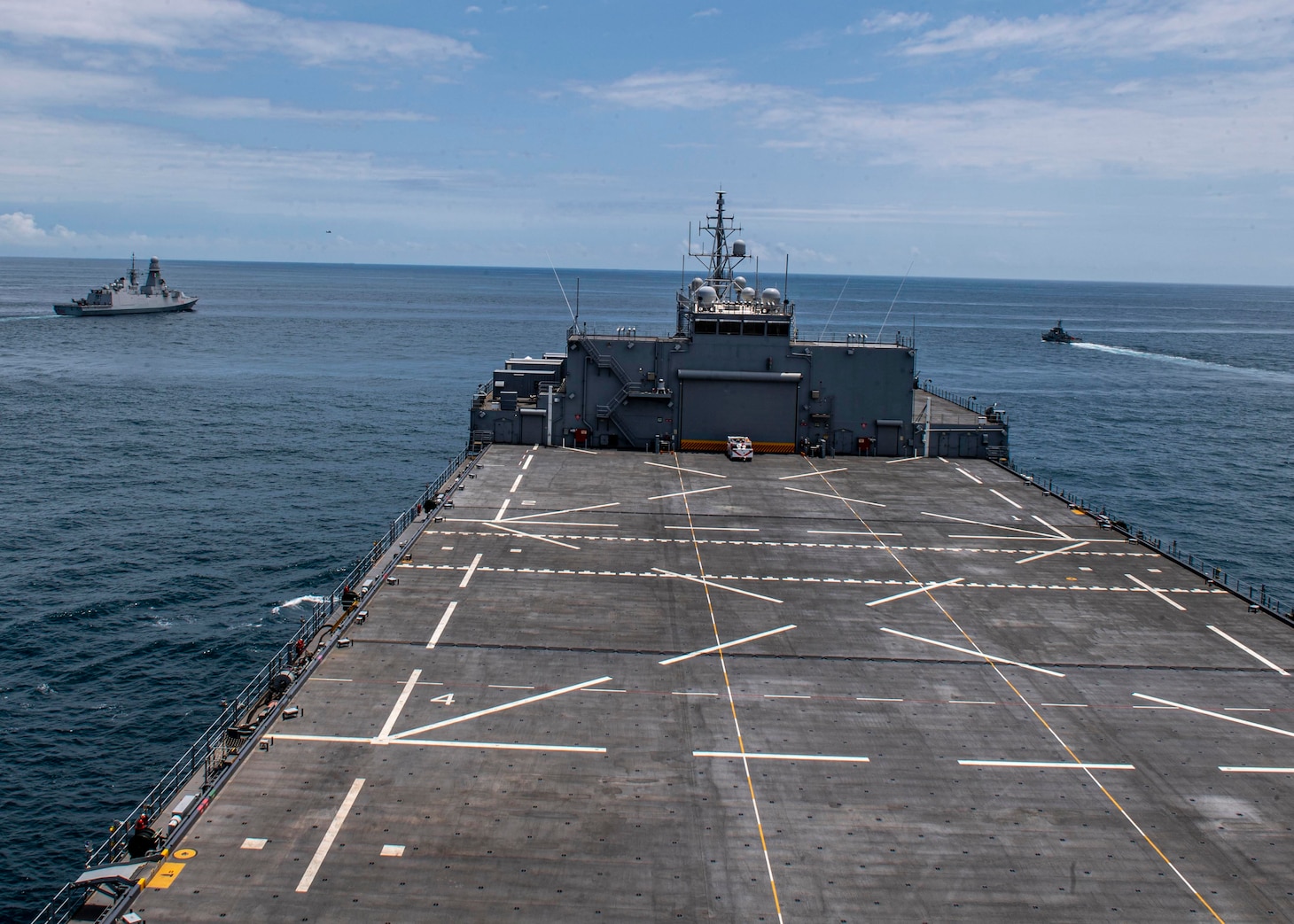
The Indo-Pacific area has emerged as a crucial focal point in world affairs, drawing significant interest from both global and regional armed forces. A mix of geopolitical, economic, and security elements has led to a significant rise in military operations, stationing, and partnerships. As countries enhance their involvement, grasping the different reasons for this heightened military activity uncovers a scene defined by rivalry, collaboration, and evolving power dynamics.
Strategic Importance of the Indo-Pacific
The Indo-Pacific covers an expansive oceanic region stretching from the eastern coast of Africa to the western shores of the Americas, encompassing major sea routes, diverse island chains, and emerging maritime economies. Approximately 60% of the world’s population resides here, and the region accounts for a significant share of global GDP. Half of the world’s container ships traverse the Indian and Pacific Oceans, connecting key manufacturing centers such as Japan, China, South Korea, and Southeast Asian states to global markets. The economic and demographic gravity of the Indo-Pacific drives the vital interests of both resident and external powers.
Main Factors for Military Expansion
1. Power Competition and Strategic Rivalries
The primary catalyst for the increased military presence is the intensifying rivalry, especially between the United States and China. Beijing’s rapid naval modernization, assertive territorial claims in the South China Sea, and construction of military infrastructure on artificial islands have prompted countermeasures. The United States, upholding a “free and open Indo-Pacific” policy, has increased naval patrols, expanded joint exercises with allies, and rotated forces through regional bases. Other actors, such as Australia, India, and Japan, have elevated their own military preparedness, often in concert with US-led initiatives.
2. Safety at Sea and Unrestricted Travel Routes
Major trade routes—including the Malacca Strait, the South China Sea, and the East China Sea—are lifelines for global commerce. Piracy, smuggling, illegal fishing, and the potential for blockades threaten this maritime security. Militaries conduct frequent patrols and exercises to ensure unimpeded access. Freedom of navigation operations (FONOPs) by the US Navy, for example, challenge excessive maritime claims and demonstrate commitment to international law, specifically the United Nations Convention on the Law of the Sea (UNCLOS).
3. Dynamics of Alliances and Defense Collaboration
Historical alliances and evolving collaborations continue to influence military strategies. The United States, through agreements with nations like Japan, South Korea, the Philippines, and Australia, sustains a presence of bases, forces, and shared training initiatives. Within ASEAN, apprehensions about China’s activities have prompted increased collaboration with external nations. The rise of multilateral groups such as the Quad (comprising the US, Japan, India, Australia) and AUKUS (consisting of Australia, the UK, US) indicates a transformation in security collaborations, emphasizing intelligence exchange, modern technologies, and operational compatibility.
4. Progress in Technology and Modernization of Armaments
The expansion of sophisticated military resources—covert jets, undersea vessels, ultra-fast missiles, observation drones, and cyber technologies—demonstrates the area’s ambition to gain deterrence and status. Nations are pouring billions into enhancing their naval and aerial forces, aiming to diminish reliance and boost independent defense abilities. This accumulation of weaponry frequently provokes responsive measures, leading to a chain reaction that fuels cycles of military advancement.
5. Regional Flashpoints and Territorial Disputes
The South China Sea, East China Sea, Taiwan Strait, and the Korean Peninsula remain persistent sources of tension. Competing sovereignty claims over islands (such as the Spratly and Senkaku/Diaoyu Islands) have led to frequent stand-offs between coast guards and navies. Taiwan’s ambiguous international status and heightened cross-strait tensions draw in extra-regional players, further complicating the security environment. North Korea’s missile and nuclear activities also necessitate heightened vigilance by militaries across the region.
Country-Specific Drivers and Examples
China’s Expanding Reach China’s “Blue Water” navy ambitions are evident in the People’s Liberation Army Navy’s (PLAN) increased sorties, construction of aircraft carriers, and establishment of overseas bases, such as the one in Djibouti. Chinese vessels regularly transit the first and second island chains, and their presence near disputed zones has become routine.
The United States’ Forward Presence The United States remains committed to upholding its network of alliances, frequently conducting “show of force” operations in contested waters and deploying cutting-edge assets like the F-35. Theater security cooperation with Southeast Asian countries acts as a signal of US resolve.
Security Repositioning of Japan and Australia Japan has made landmark revisions to its pacifist constitution, allowing for collective self-defense and increased involvement in regional affairs. Australia’s defense strategies emphasize substantial naval growth, supported by alliances like AUKUS, highlighting Canberra’s commitment to advancements in military technology and infrastructure.
India’s Assertiveness India has ramped up naval deployments throughout the Indian Ocean, built strategic facilities on the Andaman and Nicobar Islands, and increased trilateral and quadrilateral maritime exercises. New Delhi’s “Act East” policy integrates security cooperation with Southeast Asian states, reflecting a broader Indo-Pacific vision.
Impacts and Consequences of the Militarization
The increase in military deployments offers both stability and potential hazards. On the one side, a strong military presence serves as a preventive measure against individual actions and aids in humanitarian disaster relief, anti-piracy efforts, and rescue missions. However, it heightens the chances for misjudgments and confrontations, particularly in crowded sea routes where unintended incidents between opposing ships or aircraft could lead to uncontrollable situations. Additionally, the arms competition in the area draws resources away from vital socioeconomic growth.
A Complex Security Environment in Flux
The Indo-Pacific’s security landscape is in continuous transformation, shaped by deep-seated power competitions, dynamic alliance structures, technological progress, and unresolved territorial disputes. Military presence, rather than serving a single purpose, underscores the interplay of deterrence, reassurance, and strategic signaling among a multitude of actors. As states pursue policies for security and influence, the trajectory of military activity will remain a focal point for policymakers, businesses, and communities whose futures are intimately connected to the peace and stability of this pivotal region.