Elon Musk stands as a singular figure at the intersection of technology, entrepreneurship, and geopolitics. As CEO of Tesla, SpaceX, and X (formerly Twitter), Musk wields a degree of power and influence that transcends the traditional boundaries of business leadership. His impact on global politics is multifaceted and constantly evolving, encompassing technological innovation, defense interests, energy transition, social discourse, and even explicit policy intervention.
Technological Leadership and Its Diplomatic Ramifications
Musk’s leadership in pioneering sectors such as electric vehicles, renewable energy, and space exploration has ripple effects on the international stage. Tesla’s dominance in electric cars pressured automakers worldwide to accelerate electrification, spurring governmental policy changes toward green mobility. For instance, following Tesla’s rise, countries like Norway, China, and members of the European Union reevaluated fossil fuel vehicle policies and incentivized electric alternatives. China, seeing both an opportunity and competition, poured substantial subsidies into its domestic EV industry aiming to eclipse Tesla’s technological edge.
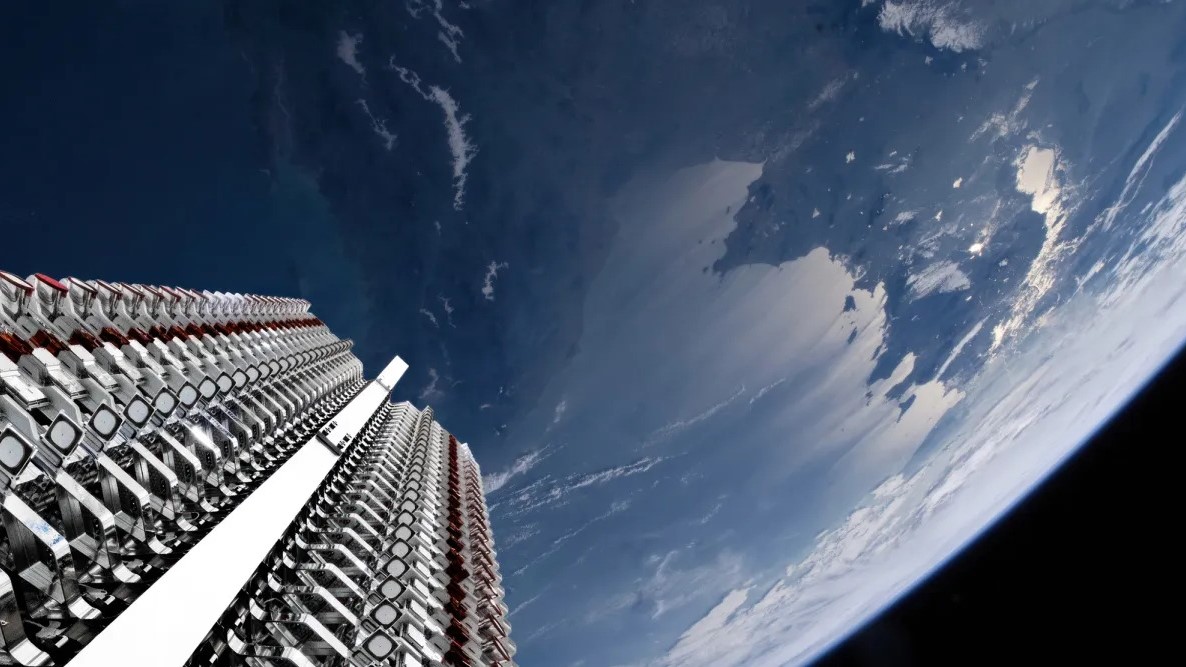
SpaceX’s advances have altered not just exploration prospects, but also global security dynamics. The Starlink satellite network, designed to provide global internet coverage, inadvertently places Musk as a communications gatekeeper, especially in times of conflict or instability. For example, during the Russian invasion of Ukraine, Starlink provided unbroken communications for Ukrainian military and civilian authorities. This act—facilitated not by a government but by a private citizen—prompted international debate about control, access, and obligations in crisis communication infrastructure.
Direct Involvement in Geopolitical Disputes
Few entrepreneurs have engaged as directly in world affairs as Elon Musk. His high-profile interventions, sometimes by tweet or public statement, have drawn both criticism and admiration. During the Ukrainian conflict, Musk became a de facto diplomatic actor. By controlling Starlink’s operational parameters in Ukraine, Musk was able to affect military capabilities and humanitarian operations. According to reports, he at times limited or modified service to avoid escalation or direct involvement, highlighting the unprecedented mingling of private initiative and military necessity.
Musk’s publicly shared ideas for resolving the Ukraine-Russia war, despite their unofficial nature, garnered as much notice as official diplomatic efforts. Although Ukrainian leaders rejected Musk’s proposals, emphasizing their nation’s sovereignty and stance, Russian officials reacted favorably. His remarks were discussed at the highest echelons, demonstrating the potential impact of his individual views on international diplomacy.
Energy Politics: Shaping the Renewable Revolution
The global transition away from fossil fuels is intensely political. Musk’s advocacy for solar power, battery storage, and electric transport positions him at the center of these debates. His ventures in lithium extraction, battery Gigafactories, and solar roof technologies are reshaping supply chains and resource competition. For example, as Tesla’s battery demand surged, so too did geopolitical tensions over lithium, nickel, and cobalt mining, with countries from Chile to the Democratic Republic of Congo grappling with governance, environmental, and social issues.
In 2022, as Europe confronted an energy crisis exacerbated by the Ukraine conflict, Musk’s commentary about nuclear power and his companies’ rapid expansion in solar installations influenced not just investor sentiment but also policy direction, including Germany’s short-lived reversal on nuclear phase-out.
The Impact of Social Media on Public Conversation
With his acquisition of X, Musk gained unprecedented control over a platform central to political communication, grassroots organization, and news dissemination. Changes to content moderation, reinstatement of controversial figures, and shifts in platform algorithms have all been closely monitored by policymakers around the world. European regulators, notably, have warned of penalties if the platform facilitates the spread of hate or disinformation that contravenes EU law, placing Musk in direct negotiation with supranational government bodies.
Musk’s individual engagement with social media platforms highlights his capacity to directly intercede in current policy discussions, encompassing topics from artificial intelligence governance to freedom of speech and national security concerns. By adopting the stance of a proponent of “free speech absolutism,” his conduct impacts both societal movements and legislative frameworks, particularly within the United States and the European Union.
Alliances in Military and Defense
Elon Musk’s commercial relationship with the U.S. government and allied militaries extends his influence over defense and intelligence capabilities. SpaceX’s Falcon and Dragon vehicles are essential to both NASA and the Pentagon, facilitating satellite launches for national security and resilient GPS services. The Pentagon has expressed interest in leveraging Starlink for secure, rapid battlefield communications and intelligence operations, raising questions about oversight and the balance of public-private partnerships in sensitive domains.
These trends have prompted certain countries to expedite the creation of independent capabilities in satellite and launch technologies, aiming to prevent reliance on a sole entrepreneur or a company under foreign ownership.
Economic Leverage: Supply Chains and Investment Flows
Tesla’s worldwide presence enables Musk to influence international commerce, overseas capital, and employment sectors. For instance, the choice to establish Gigafactories in China and Germany generated substantial foreign direct investment and boosted regional job creation. Nevertheless, these actions also subjected Tesla to indigenous political pressures, industrial disagreements, and evolving regulatory frameworks.
The firm’s activities within China are particularly remarkable. Musk secured advantageous conditions with Chinese officials—a distinct achievement among international car manufacturers—encompassing fully owned facilities in Shanghai. These accords not only enabled Tesla’s swift growth but also established Musk as a crucial collaborator with the globe’s second-biggest economy, thereby making him a vital intermediary in the economic ties between the U.S. and China.
Influencing the Worldwide Regulatory Framework
Through advocacy, lobbying, and public commentary, Musk shapes regulatory agendas in critical areas such as artificial intelligence, autonomous vehicles, and carbon emissions. His warnings about the dangers of unregulated AI development contributed to calls for government oversight from Washington, Brussels, and Beijing. Conversely, his resistance to certain environmental compliance regimes—arguing for rational flexibility in emission targets—impacts debate on the speed and structure of regulatory implementation.
In the realm of self-driving transportation, Musk’s viewpoint and Tesla’s practical information have been leveraged to either support or oppose rapid implementation without human operators, once more positioning the entrepreneur at the core of legislative discussions.
Elon Musk’s unparalleled combination of technological innovation, media presence, global investments, and strategic vision enables him to shape not only commercial landscapes but also the very structures of international political power. His interventions—sometimes formal, often improvised—reveal how 21st-century influence is no longer confined to heads of state or diplomats. Instead, technological entrepreneurs like Musk mediate, accelerate, and occasionally disrupt the tempo and terrain of global politics, often raising new dilemmas about accountability, sovereignty, and the boundaries between public good and private gain.